


chevron_left
-
 play_arrow
105.1 TMC 105.1 TMC
-
play_arrow
Cebu Calling Podcast Kuya Magik
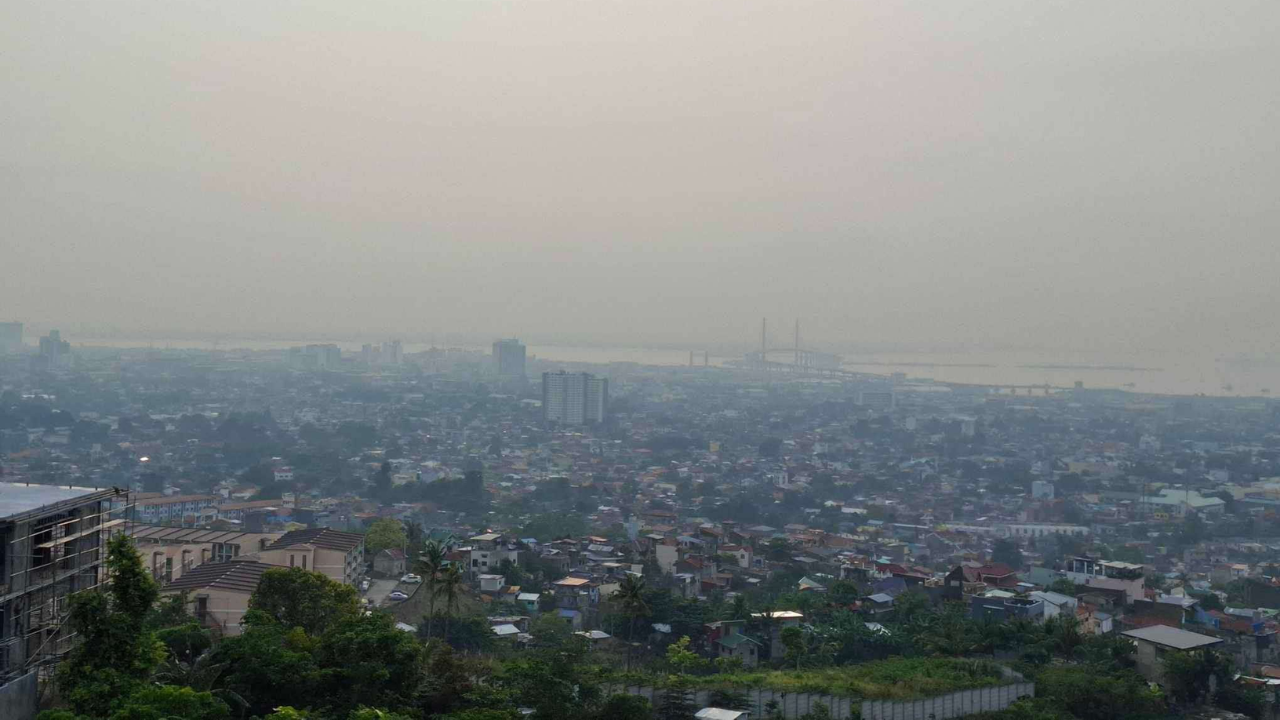
The Cebu Provincial Government is preparing standardized deadlines for air quality advisories and class suspension announcements as Metro Cebu continues to experience unhealthy air pollution levels.
Gov. Pamela Baricuatro proposed the uniform timeline during a consultation meeting on Monday, Oct. 26, 2026, to help local government units (LGUs) respond more consistently to air quality emergencies and give families sufficient time to prepare.
Under the proposed guidelines, initial air quality advisories must be released by 8 p.m. on the night before a school day. Final decisions on class suspensions must be announced by 4:30 a.m., while suspensions affecting afternoon classes must be declared no later than 11 a.m.
Baricuatro plans to formalize the policy through an executive order, aligning provincial procedures with existing guidelines from the Department of Education (DepEd) and the Department of Environment and Natural Resources-Environmental Management Bureau (DENR-EMB).
Class suspension rules
DepEd Cebu Province Superintendent Senen Paulin explained that DepEd Order 22 gives local chief executives the authority to suspend face-to-face classes when fine particulate matter, or PM2.5, reaches concentrations between 55.1 and 90, classified as the “acutely unhealthy” range.
When PM2.5 levels exceed 91 and reach the “emergency” category, classes are automatically suspended and shifted to distance learning.
To prevent conflicting announcements and delays, the proposed framework would require every LGU to designate a focal person responsible for issuing a single official notice through its local disaster risk reduction and management office.
The standardized process is intended to improve coordination among local authorities, schools and families during periods of deteriorating air quality.
Monitoring gaps under review
Provincial officials are also calling on the EMB to provide specific PM2.5 concentration readings alongside its standard Air Quality Index (AQI) reports.
The additional information would help residents better understand pollution levels and assess potential health risks, particularly for children and people with respiratory conditions.
Monitoring coverage remains another concern. Of the region’s six air quality monitoring stations, only two are located within Cebu Province proper, in Talisay City and Toledo City.
The Provincial Disaster Risk Reduction and Management Office is exploring independent monitoring technologies that could expand coverage in areas without access to local air quality data.
Officials said more detailed readings and broader monitoring coverage would help local governments make better-informed decisions about public health measures, including school suspensions.
Metro Cebu air quality deteriorates
The proposed policy comes as Metro Cebu’s air quality reached an AQI of 128 on Monday, a level classified as “unhealthy for sensitive groups,” according to the EMB.
Authorities attributed the pollution conditions to local vehicle and industrial emissions, which were trapped by low wind speeds and cool temperatures.
Residents with respiratory illnesses, including asthma, have been advised to limit outdoor activities while air quality remains a concern.
Consultations on the proposed guidelines are continuing as the provincial government works toward establishing uniform procedures for issuing advisories and announcing class suspensions across local government units.





Post comments (0)