


chevron_left
-
 play_arrow
105.1 TMC 105.1 TMC
-
play_arrow
Cebu Calling Podcast Kuya Magik
In Cebu, recommendations about the best food almost always start with lechon. Whether it’s lechon baboy or manok, it sits at the heart of the table at markets, fiestas, and any occasion.
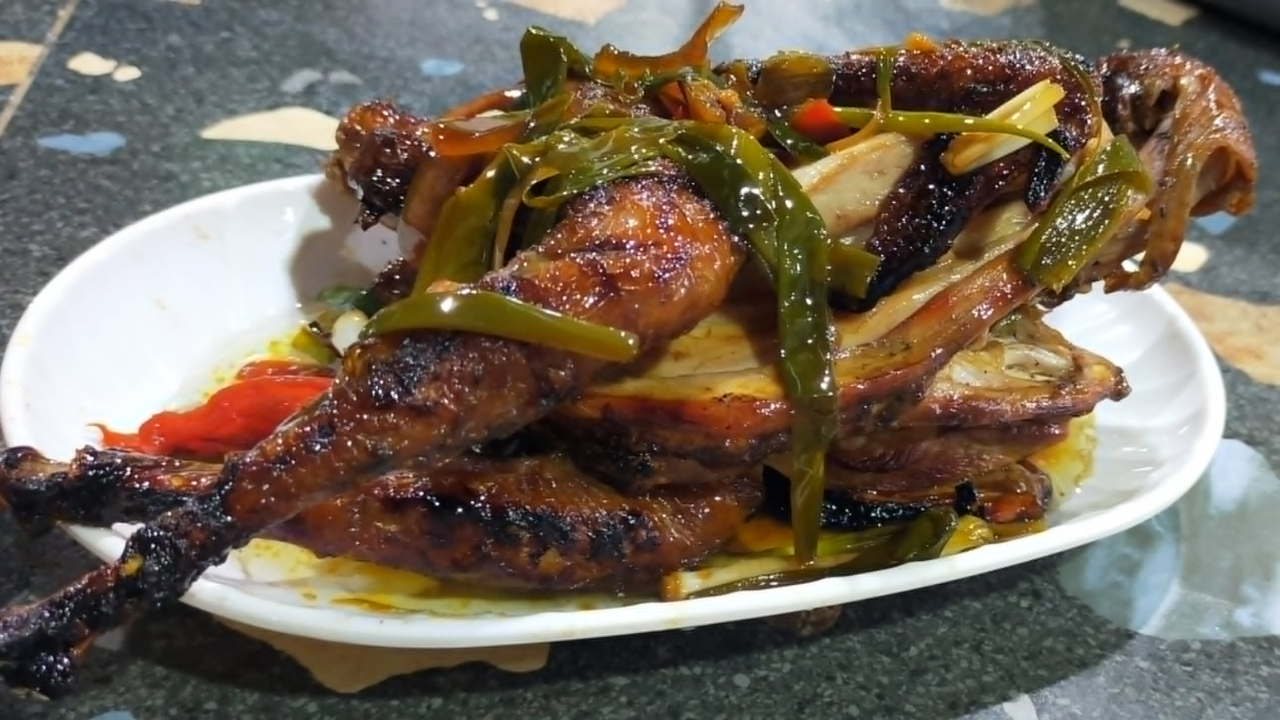
Beyond these well-loved dishes, inasal manok bisaya (grilled native chicken) made with organic ingredients and traditional techniques remains another local favorite.
Hailing from southern Cebu, inasal manok bisaya is not difficult to find in the municipality of Dumanjug. Known locally as Bisnok, a shortened term for bisayang manok, it has become inseparable from the town’s specialty, drawing tourists and returning customers from different places in search of its distinct flavor.
Empiang’s and Wilma’s Inasal Manok may be the names associated with Bisnok today, but the story did not simply originate from either establishment. For Noy Tabios, a longtime resident of Sitio Lomboy in Barangay Camboang, the inasal bisayang manok owes its roots not to a legend, but to the ancestors of Lomboy passed down through generations.
“Dili kanas Empiang, mao rana ilang handusanan, restaurant mana so ang nagluto ana, ang taga lomboy gyud. Mao gyud ang founder ana, kana siyang manok. Daghan kay nang mga katigulangan pa nila, karon ang mga anak naman na maoy nagsunod sa ilang ginikanan nga sila kay kusog man kayo ilang order mao ng nahitabo,” Tabios said.
What sets Bisnok apart is the chicken itself. Unlike commercially raised broilers, native chickens are often raised in backyards and produce leaner meat with a firmer texture, absorbing seasoning more effectively than broilers do. The meat itself already carries its own sweetness, and the preparation brings it out further.
“Lahi sa bisaya kay gagmay man nya wala kayo siyay tambok, unod jud imong makaon. Ang bantres, naa man gyud nay tambok kay tambok kaayo. Basa ang unod sa bantres, inig ana nimo, basa man. Ang bisaya uga nya ig pahid nimo sa sauce, pwerte ng lamia kay mo absorb man tus unod.,” Tabios explained.
“Inig ingkit nimo, makataste gyud kag lami ba. Kanang manok, ila naman ng gihiwa hiwaan sa kilid..nya pustog dahon mao ng mosohop (ang flavor),” he added.
Living next to the houses of Lomboy’s inasal cooks, Tabios has watched firsthand how sauce and spices highlight the dish. Rather than following the typical way of cooking lechon manok, where the seasoning is stuffed inside the chicken, the native chicken’s herbs are cooked first for a flavor that soaks all the way to the bone.
They would even use potot (dried coconut husk) to fuel the fire, infusing the chicken with a smoky aroma that modern gas or electric grills cannot achieve.
“Ang manok ana gyud kita ko pagluto,silingan gd na nakong tigluto, ilang aslon daan. Wala na sudli og lamas. Ang lamas ana ila nang i luto sa kaha, ilang gitimpla didto na gitimpla nya ilang ipahid sa manok inigkahuman.,” Tabios shared.
“Nya katung ginihawaan sa manok, ila tung sudlag lamas nga giluto na daan… Inig pahid ana, mosinaw manang manok nya pustog dahon nya lami na kayo, humot na kayo. Inig abli ana, anay kahumot,” he added.
Despite its humble origins, inasal bisayang manok has not only found storefront success but also carried a recipe forward as a legacy. Like the families of Lomboy, Empiang’s inasal manok bisaya traces back to the late Empiang herself, who founded the restaurant in 1949.
Her restaurant now rests with her descendants, who have grown it into one of Dumanjug’s most sought-after restaurants. With two branches in Dumanjug, they also serve three different meals and expect a third branch in Moalboal by the end of July.
Elizabeth Badayos, 42, who has worked at Empiang’s for two years, shared how far people are willing to travel just to eat there. They sell over a hundred pieces a day in-store, on top of 170 more delivered to customers in the city.
At their Tapon branch, which seats around 100 people on the first floor and 50 upstairs, the business thrives fast, peaking on long weekends and holidays.
“Anhion gyud nas mga taw bisan taga syudad. Mao ra gyud na ilang tuyo diri. Moingon sila na lami, balik-balikan gyud nila. Puro gyud naay ganahan. Makaingon gyud ming known kay mao ra juy arion sa mga taw. Katong taga syudad, manawag ra, ipadeliver ra didto sa syudad, sakay rag librando,” Badayos said.
One of Badayo’s memorable experiences was meeting and taking photos with her favorite vloggers, who also enjoy eating the same inasal manok bisaya she takes pride in serving. Along with the rest of the staff, she hopes that Bisnok will gain the recognition it deserves, allowing more people to taste it and discover why it’s worth coming back for.
Today, the tradition lives on in Dumanjug’s own annual Bisnok Festival, held during its fiesta on October 3 to 4. With a vibrant street parade and dancers in colorful costumes, the town pays tribute to its pride in Bisnok and its place as home to the native chicken.
The chickens still roam freely while the charcoal still catches fire before sunrise across the town’s inasalan.
Somewhere between the two, it survives because Dumanjug keeps giving it room to grow and choosing the same tradition as it always has — a timeless local recipe remembered and passed on. As locals put it: “Ari tas bisayang manok kay Bisaya man ta.”
Article by – Nicole Auguis, TMC Intern