


chevron_left
-
 play_arrow
105.1 TMC 105.1 TMC
-
play_arrow
Cebu Calling Podcast Kuya Magik
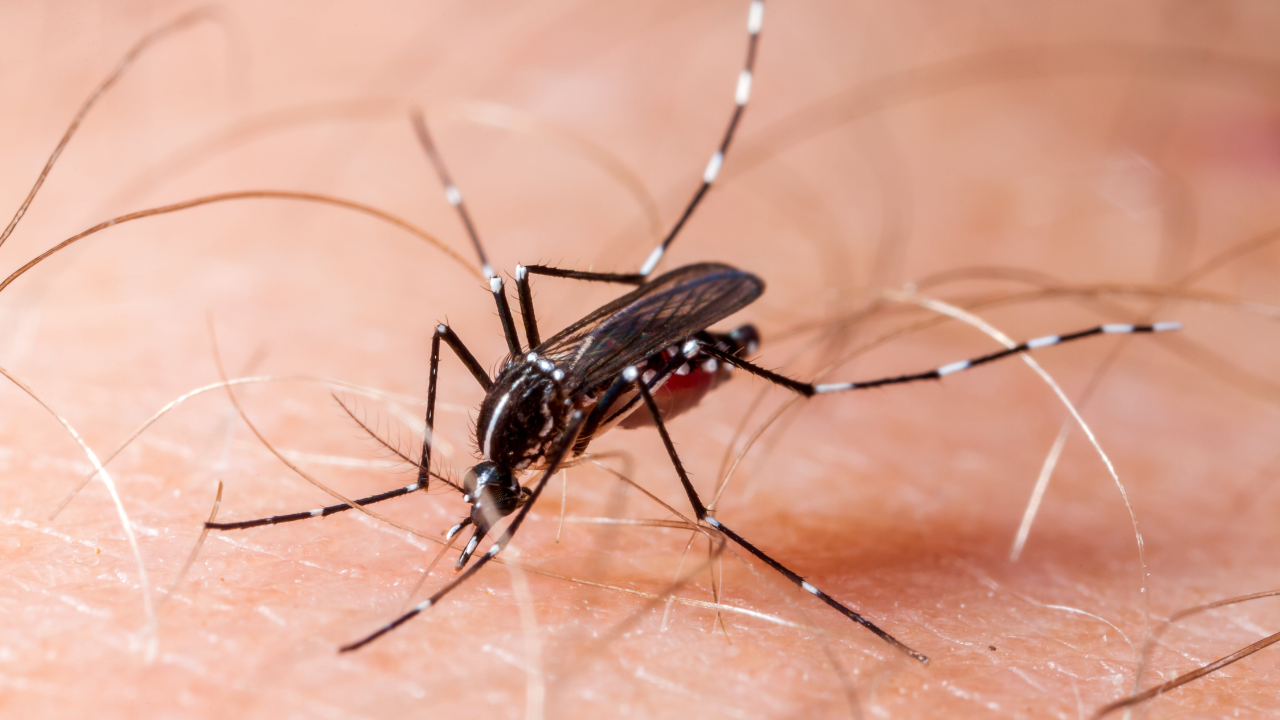
Dengue cases have climbed sharply in both Cebu City and Cebu Province this year, with health officials reporting thousands of infections and dozens of deaths as they intensify efforts to prevent further transmission.
In Cebu City, 2,456 dengue cases were recorded from Jan. 1 to Sept. 5, 2026, according to City Health Department (CHD) data cited by Mayor Nestor Archival’s chief of staff, Kenneth Siasar.
The figure is 972 cases, or about 65.5 percent, higher than the 1,484 cases recorded during the same period in 2025. Dengue-related deaths also increased to 20 this year from six last year, representing a rise of 14 fatalities.
Siasar said the city’s figures differ from those recorded by the Cebu City Medical Center (CCMC) because the CHD also collects reports from private hospitals.
CCMC recorded 844 dengue patients from Jan. 1 to Sept. 13, including 297 admissions and 547 patients treated through consultations. The hospital reported 16 dengue deaths during that period.
Siasar attributed the rise in cases partly to difficulties in maintaining regular cleanup efforts in barangays, particularly in areas where stagnant water can accumulate and become breeding grounds for dengue-carrying mosquitoes.
“We are unable to sustain ang pagpanglimpyo sa tibuok palibot (the cleanup of the entire environment) last year,” Siasar said.
He said barangay health workers have been instructed to step up information campaigns and remind residents that dengue prevention must include both indoor and outdoor areas.
The city government is also strengthening cleanup drives and misting operations, while targeting barangays with high case numbers based on surveillance data.
The 10 Cebu City barangays with the highest dengue case counts are Guadalupe, Lahug, Basak San Nicolas, Tisa, Labangon, Talamban, Mambaling, Kalunasan, Punta Princesa and Apas.
The city also ordered the cleaning of Cebu City Hall after an employee contracted dengue.
Siasar noted that while children are particularly vulnerable because of outdoor activities, adults can also be exposed to dengue-carrying mosquitoes in workplaces where stagnant water may go unnoticed.
In Cebu Province, dengue cases reached 3,759 as of September, with 21 deaths recorded. The figure is up from roughly 2,000 cases during the same period in 2025.
Provincial Health Officer Sheila Faciol, however, said the increase has not yet reached the threshold for a province-wide outbreak.
“So far, based on our threshold, we have not reached the outbreak level. Our dengue cases are still controlled, although it is standard that whenever it rains continuously, our cases really go up,” Faciol said in a mix of Cebuano and English.
Provincial surveillance data showed several local government units recording high numbers of cases in August and September.
In August, Medellin reported 240 cases and one death, followed by Talisay City with 214 cases and Toledo City with 161 cases and one death. Dalaguete recorded 93 cases, Minglanilla 84 cases and one death, while Cordova had 67, Consolacion 64, Liloan 51, and Argao and Danao City 50 cases each.
For September, Talisay City recorded 72 cases, followed by Medellin with 60 and Toledo City with 38. Dalaguete had 30 cases, Minglanilla 21 and Argao 19. Cordova and Liloan each recorded 16 cases, while Danao City had 14 and Daanbantayan 13.
Faciol urged residents not to delay seeking medical attention when dengue symptoms appear, particularly when a family member develops a fever.
“Our primary concern is early consultation. If a family member has a fever, let us have them checked immediately at the nearest health center or hospital so they can be given proper attention right away and prevent complications from worsening,” she said in Cebuano.
The Provincial Health Office said provincial and district hospitals continue to operate their laboratories around the clock and have activated dengue fast lanes. Diagnostic kits and intravenous fluids are also available to support the treatment of patients arriving at the facilities.





Post comments (0)