


chevron_left
-
 play_arrow
105.1 TMC 105.1 TMC
-
play_arrow
Cebu Calling Podcast Kuya Magik
Heavy rains swept across Cebu last week, bringing more than just gloomy skies. For thousands of commuters, the downpour meant flooded roads, longer travel times, and another reminder of the challenges that come with relying on public transportation during the rainy season.
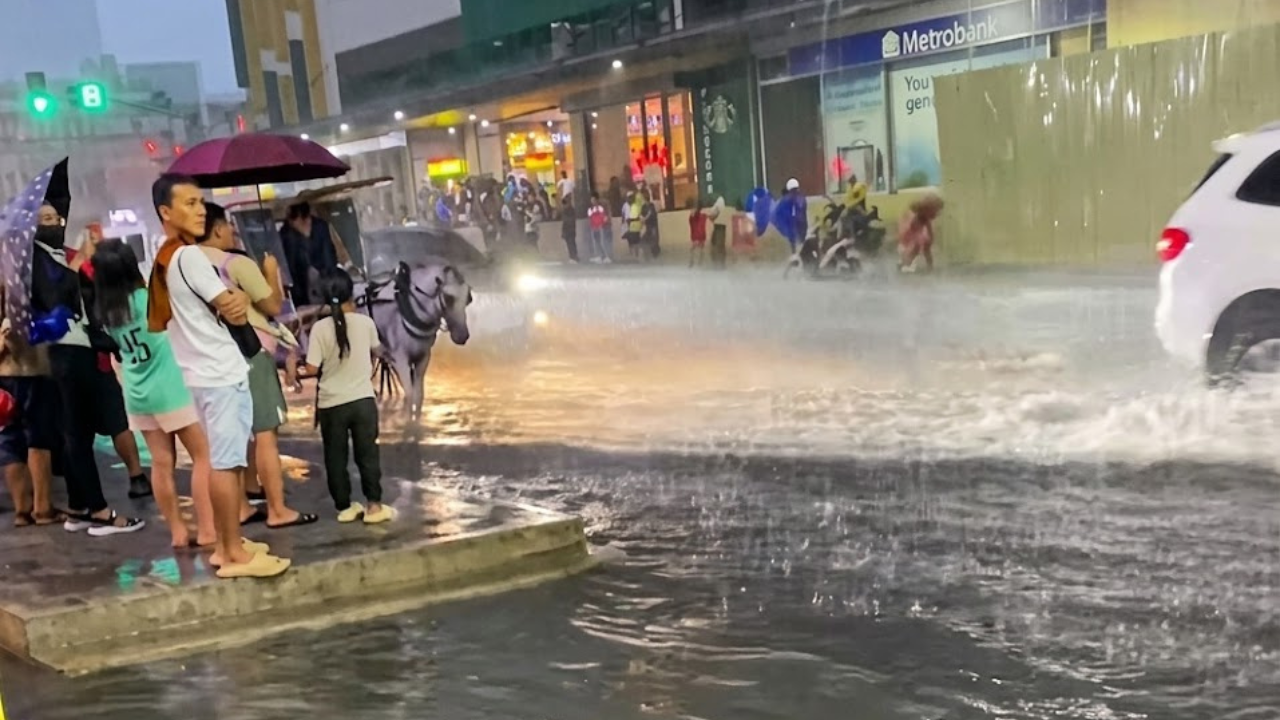
Several roads in Cebu City became flooded after continuous rainfall brought by the southwest monsoon, commonly known as Habagat.
Floodwaters affected major thoroughfares and low-lying areas, slowing traffic and making it difficult for both private and public vehicles to pass.
As a result, many commuters found themselves stranded at jeepney stops, waiting for rides that took much longer than usual to arrive.
For students and office workers, what is normally a routine trip home turned into hours of waiting. Some chose to walk through floodwaters just to reach areas where public transportation was still available, while others remained under waiting sheds hoping for the rain to ease.
Those carrying school bags, laptops, or groceries faced the added challenge of protecting their belongings while navigating flooded streets.
The effects of heavy rainfall extend beyond inconvenience. Delays in transportation can mean arriving late for work, missing classes, or spending more money on alternative modes of transportation when jeepneys become scarce.
For daily wage earners, every hour spent waiting for a ride may also mean lost income.
While motorists also experienced heavy traffic caused by flooded roads, commuters often faced greater uncertainty. Limited transportation, overcrowded public utility vehicles, and long queues became common sights as people tried to make their way home before nightfall.
The recurring floods have also renewed discussions on the city’s drainage system and flood mitigation efforts. During periods of intense rainfall, several flood-prone areas in Cebu City continue to experience overflowing waterways that disrupt the daily movement of residents.
Local government agencies have previously conducted drainage clearing and declogging operations, but many residents continue to hope for long-term solutions that can better address the city’s flooding concerns.
As the rainy season continues, weather authorities continue to remind the public to monitor advisories and avoid flooded areas whenever possible.
Commuters are also encouraged to allow extra travel time and prepare for sudden changes in weather conditions.
Rain may be a natural part of life in Cebu, but for many commuters, it continues to test their patience and resilience.
Until lasting solutions to flooding and transportation challenges are achieved, every heavy downpour serves as another reminder that reaching home safely can become one of the day’s biggest challenges.
Article by – Kennedy, TMC Intern