


chevron_left
-
 play_arrow
105.1 TMC 105.1 TMC
-
play_arrow
Cebu Calling Podcast Kuya Magik
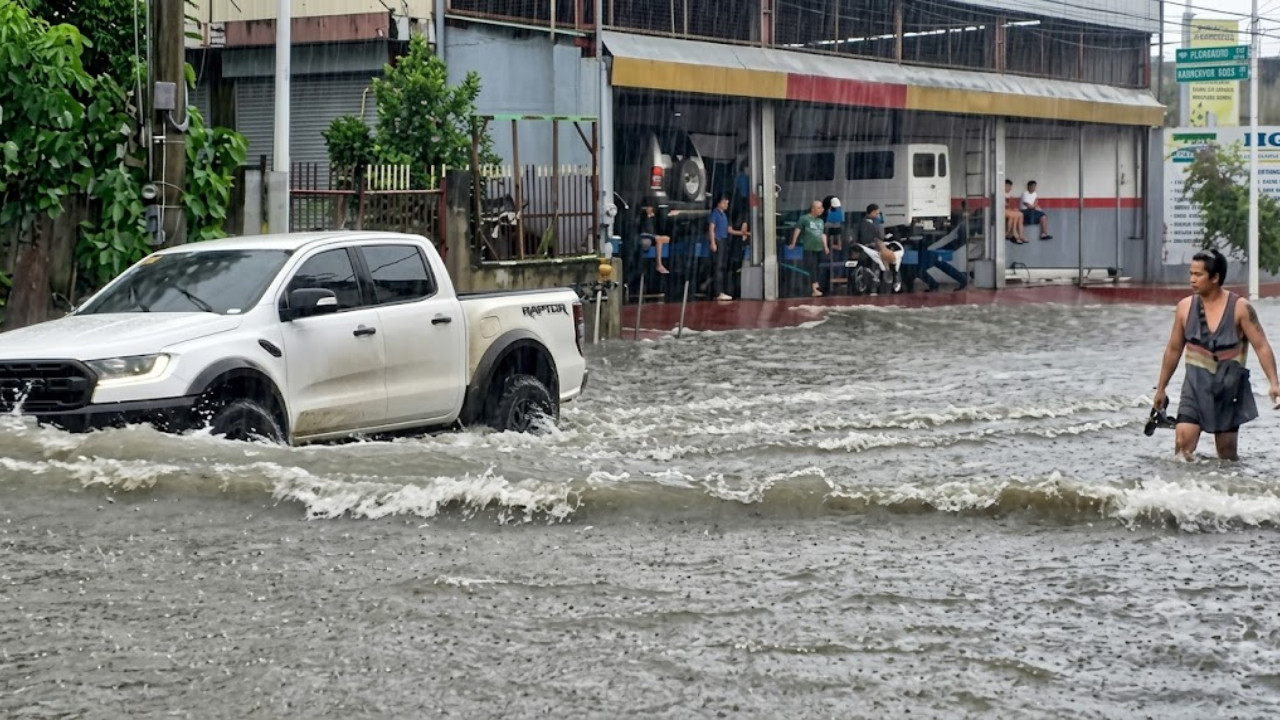
Growing up along A.S. Fortuna Street, I am no stranger to the sudden, unrelenting rise of floodwaters in Cebu. I still vividly remember the nights I was woken up in the dark, scrambling to lift anything resting on the floor onto higher beds, praying our belongings would be spared.
I remember the sheer strength of my mother, who carried me on her back through the dirty waters that had invaded our apartment as we waded toward higher ground. Even recently, that reality hasn’t changed.
Just a short while ago, I found myself pedaling my bicycle through the chest-deep waters of Talamban all the way to Gorordo Avenue, just to fetch my sister when her classes were abruptly canceled. Flooding has been a persistent shadow in my life, and I know I am far from the only one.
Throughout the years, I’ve met people whose entire livelihoods were shattered by an issue that should have been solved long ago: bright, hopeful faces that turned dark upon realizing years of hard work, precious memories, and hard-earned investments were swept away in a single, merciless wave.
Worse still are the families who have lost kin, grieving lives taken far too soon. No compensation can ever restore what was lost; we are left only to mourn the pieces of our lives washed away downstream.
This article is not another outcry against delayed or mismanaged flood-control projects, nor is it a repetition of the anger many of us feel toward leaders who misuse or ignore our tax money.
We already know that frustration all too well. Instead, this article is a message to those who endure: the everyday citizens who continue to lift each other up, wade through the waters, and rebuild from scratch every single time the rain stops.
While it is entirely right that we hold our politicians and project leaders accountable, we must also persevere as citizens and take charge of our own safety.
There is a bittersweet irony in seeing local children swimming in the floodwaters—a practice I certainly wouldn’t advise—yet smiling as if it were just another regular day. That spirit of endurance is what keeps us afloat.
To truly take matters into our own hands, resilience cannot just mean surviving the next storm, but instead on changing how we live with our environment.
Community action starts in our own backyards and barangays: from refusing to clog our drainage systems with improperly disposed trash, to advocating for localized rain-catchment and green infrastructure, to simply looking out for our vulnerable neighbors before the water reaches their doorsteps.
True self-reliance is built in the quiet days between typhoons, long before the rain starts to fall again.
We must persist through these tribulations, regardless of who is in office. If we give up, we fail those who look to us for leadership and action.
We must continue to prepare, to educate, and to show up for one another in times of crisis, big or small. Because if we leave our survival entirely in the hands of the government, we leave our future to chance.
Article by – Anthony Gaddi, TMC Intern