


chevron_left
-
 play_arrow
105.1 TMC 105.1 TMC
-
play_arrow
Cebu Calling Podcast Kuya Magik
The Senate has committed to working closely with the administration of President Ferdinand Marcos Jr. to push key legislative measures aimed at strengthening the economy, creating more jobs, and reducing the financial burden on Filipino families.
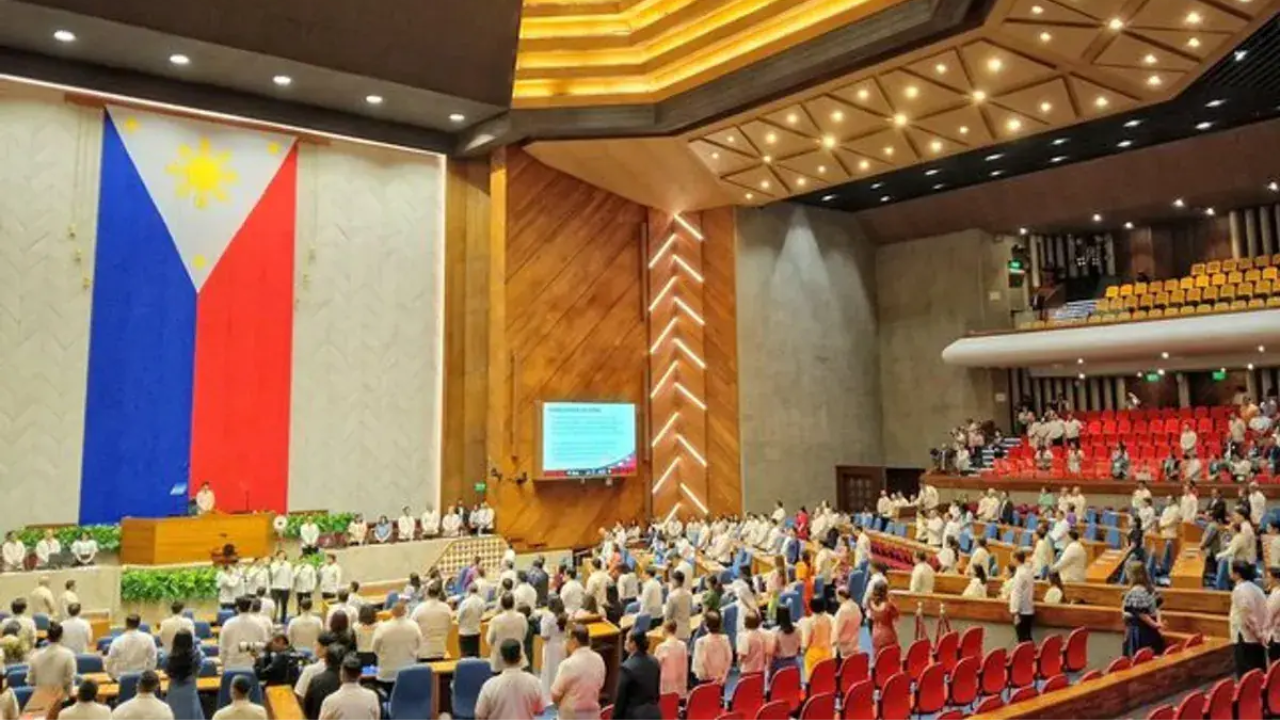
Speaking during the opening of the second regular session of the 20th Congress on Monday, July 27, Senate President Sherwin Gatchalian said the chamber would prioritize measures that address the country’s economic challenges while ensuring that the benefits of growth are felt by ordinary Filipinos.
The Senate’s commitment comes ahead of President Marcos’ fifth State of the Nation Address (SONA), where economic recovery and government priorities are expected to take center stage.
Gatchalian acknowledged that the country faces a slower economic outlook this year, citing downgraded growth forecasts issued by both Philippine economic managers and international financial institutions.
He said weaker economic growth could translate into fewer employment opportunities, lower household incomes, and increased financial pressure on families.
“The most urgent concern is getting the Philippine economy back on track,” Gatchalian said, adding that the Senate is prepared to support measures that will help achieve the administration’s economic objectives.
While emphasizing the importance of improving economic performance, the Senate President said progress should not be measured solely through statistics but by meaningful improvements in the daily lives of Filipinos.
According to Gatchalian, affordable food, stable employment, and easier access to basic necessities should remain the primary indicators of successful economic policies.
One of the chamber’s immediate priorities is the passage of the proposed 2027 national budget, which he described as one of the government’s most effective tools for stimulating economic activity and ensuring that infrastructure projects and public services are funded without unnecessary delays.
Gatchalian also vowed to continue promoting transparency and accountability in the budget process. He said the Senate would sustain reforms such as the public livestreaming of bicameral conference committee deliberations and the continued publication of budget documents through the chamber’s transparency portal.
Beyond the national budget, Gatchalian identified five major concerns that will shape the Senate’s legislative agenda in the coming months: rising food prices, low take-home pay, high electricity costs, inadequate infrastructure and transportation, and job creation.
To address food security and inflation, the Senate plans to prioritize amendments to the Rice Tariffication Law. The proposed changes seek to help ensure a stable rice supply while strengthening government support for local farmers.
Lawmakers are also expected to deliberate on the proposed Ginhawa Bill, which aims to increase workers’ take-home pay by exempting additional forms of compensation from income tax.
The measure is intended to provide financial relief to employees whose purchasing power has been affected by inflation.
Reducing electricity costs is likewise among the chamber’s priorities. Gatchalian said senators would tackle the proposed ERC Strengthening Bill, which seeks to improve the regulatory powers of the Energy Regulatory Commission and strengthen consumer protection amid persistently high power rates.
The Senate also intends to review the Downstream Oil Industry Deregulation Act to improve transparency in fuel pricing. The proposed amendments aim to provide both the government and consumers with clearer information on whether adjustments in pump prices accurately reflect movements in global oil markets.
To support long-term economic development, lawmakers will prioritize the proposed Master Plan for Infrastructure and National Development (MIND) Bill, which seeks to establish a coordinated 30-year roadmap for infrastructure development across the country.
The proposed measure covers major public investments, including roads, airports, hospitals, energy facilities, and other critical infrastructure projects designed to sustain economic growth over the coming decades.
Recognizing the significant contribution of small businesses to the economy, the Senate also plans to amend the Magna Carta for Micro, Small and Medium Enterprises (MSMEs).
The proposed reforms aim to improve access to financing, expand credit guarantee programs, provide greater technical assistance, increase opportunities for government procurement, and ensure faster payment for services rendered to government agencies.
Gatchalian noted that MSMEs comprise nearly all registered businesses in the Philippines and continue to play a vital role in generating employment and strengthening economic resilience, particularly during periods of slower growth.
To better coordinate the government’s economic initiatives, the Senate President also proposed the creation of an ad hoc committee that would focus on advancing measures related to economic recovery, employment generation, and reducing the cost of living.
Aside from economic legislation, Gatchalian said the Senate remains committed to investing in education, healthcare, and social protection, which he described as essential foundations for sustainable national development.
He emphasized that close cooperation between Congress and the Executive branch would be necessary to ensure that legislative reforms translate into tangible improvements in the lives of Filipino families.
According to Gatchalian, a unified approach to governance will be crucial in helping the country achieve inclusive and sustainable economic growth while addressing the everyday concerns of workers, businesses, and consumers.