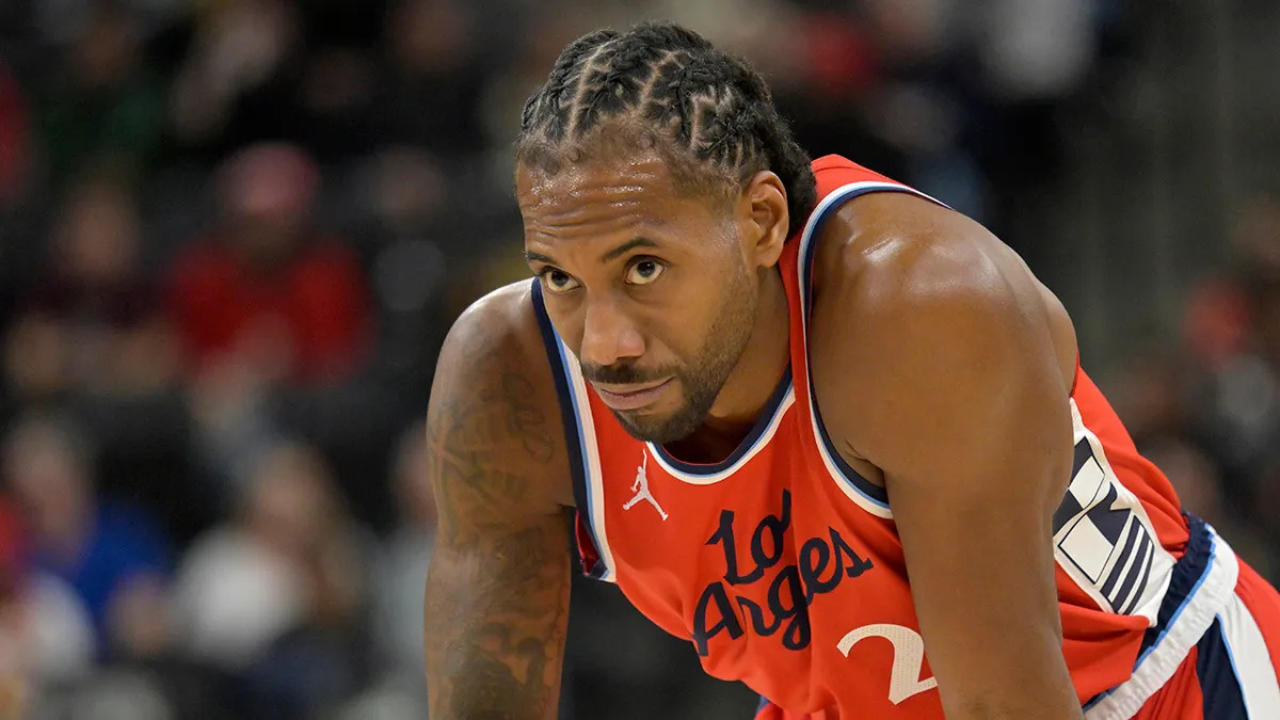
The NBA has launched a high-profile investigation into allegations that Los Angeles Clippers superstar Kawhi Leonard received a $28 million “no-show job” endorsement deal designed to bypass the league’s strict salary cap rules. The claim, revealed by journalist Pablo Torre on his podcast Pablo Torre Finds Out, centers on Leonard’s ties to Aspiration, a bankrupt fintech company linked to Clippers owner Steve Ballmer.
According to reports, Aspiration signed a $28 million marketing agreement with KL2 Aspire LLC, a company controlled by Leonard. The shocking clause in the deal allowed Leonard to opt out of any promotional obligations while still receiving payment—as long as he remained a member of the Clippers.
Court filings from Aspiration’s bankruptcy case revealed the company owed Leonard’s LLC $7 million at the time of collapse. Unlike other celebrities who actively promoted Aspiration, Leonard allegedly did no significant marketing work. A former Aspiration finance executive even claimed the contract was explicitly structured to circumvent the NBA salary cap (Washington Post, Liberty Ballers).
The Clippers organization quickly denied wrongdoing releasing a firm statement, “Neither Mr. Ballmer nor the Clippers circumvented the salary cap or engaged in any misconduct related to Aspiration. Any contrary assertion is provably false.”
The team added that its partnership with Aspiration ended during the 2022–23 NBA season when the company defaulted on its financial obligations.
The NBA salary cap system is central to maintaining parity across the league. While endorsement deals are common, any arrangement influenced by team ownership that provides indirect compensation is considered a violation of the Collective Bargaining Agreement (CBA).
Kawhi Leonard, a two-time NBA Finals MVP, has not yet commented publicly. For a player known for his quiet, business-like demeanor, the scandal represents a rare moment of controversy.
The Clippers, already under pressure to deliver an NBA championship, could see their future jeopardized if the investigation results in penalties. The team’s efforts to compete alongside other Western Conference powerhouses may be derailed by lost draft assets or suspended personnel.
The outcome of this case could reshape how the NBA enforces financial rules. Smaller-market teams have long argued that billionaire owners could exploit side businesses to offer hidden compensation to star players. If the league fails to act decisively, it risks undermining the credibility of its entire salary cap structure.
The NBA investigation is ongoing, with no set timeline for resolution. Depending on the findings, punishments could range from minor sanctions to some of the harshest penalties in recent history.
For now, the story remains a dramatic blend of sports, money, and power—placing Kawhi Leonard, the Los Angeles Clippers, and even NBA Commissioner Adam Silver under intense scrutiny.
One thing is certain: the league will have to decide whether this was simply a failed endorsement deal gone wrong or a deliberate salary cap scandal that challenges the integrity of professional basketball.
AD