
chevron_left
-
 play_arrow
105.1 TMC 105.1 TMC
-
 play_arrow
Cebu Calling Podcast Kuya Magik
music_note
Cebu Rice Prices Surge Amid Supply Shortage
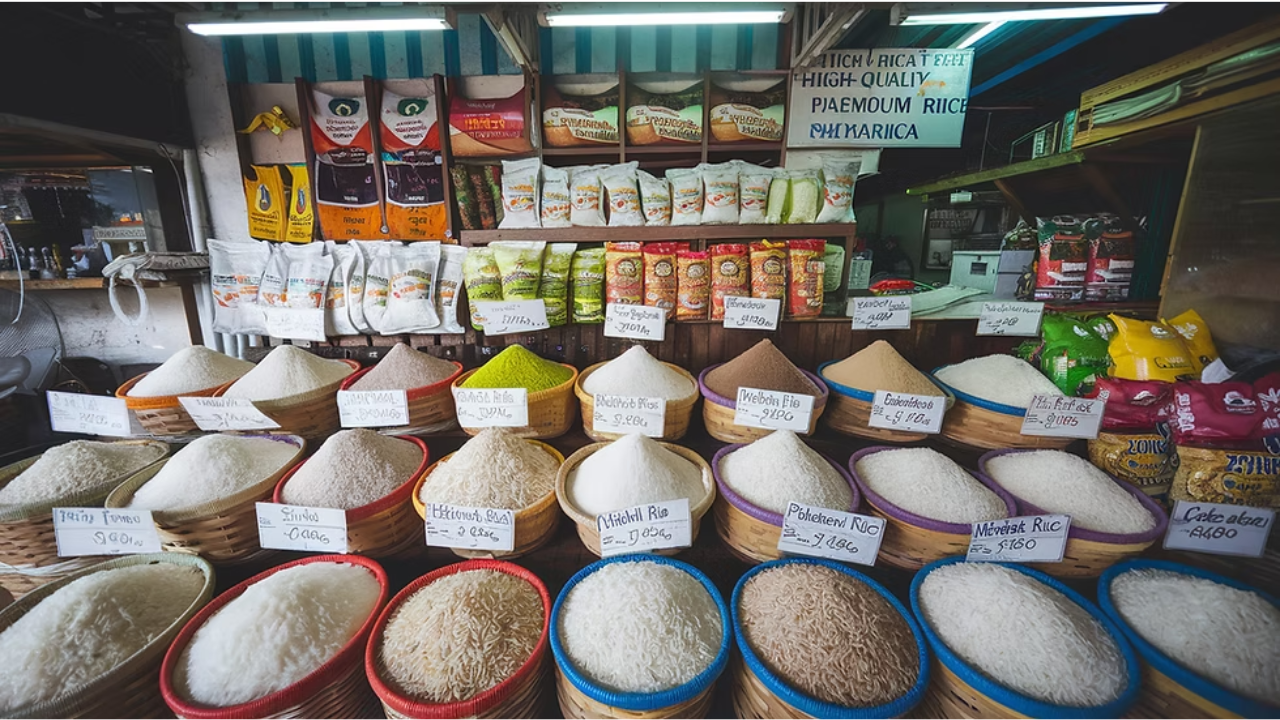
Rice prices in Cebu have increased by as much as P500 per sack since August, driven by a combination of supply disruptions, weather-related damage to crops, and heightened demand from bulk buyers, according to industry representatives.
The sharp rise in prices has raised concerns among retailers and consumers, particularly low-income households that rely heavily on rice as a staple food.
The situation has also highlighted vulnerabilities in the country’s rice supply chain, especially in major urban centers such as Cebu.
Erwin Gok-ong, vice president of the Grains Retailers Confederation of the Philippines (GRCP) Cebu City north chapter, confirmed the tightening supply and rising prices, describing the current situation as among the most difficult of the year for rice retailers.
Since early August, the price of rice in Cebu has steadily climbed following the announcement of a temporary halt in national rice importation scheduled for September.
The policy move coincided with successive typhoons, including Typhoon Tino, which struck on November 4 and caused damage to rice-producing areas while also disrupting transport and logistics from major suppliers to Cebu.
Industry data show that the price of imported Ganador rice rose from around P1,980 to P2,020 per 50-kilogram sack in early August to between P2,650 and P3,000 in recent weeks. Other imported and locally produced rice varieties have also posted similar increases.
Gok-ong said the combination of weather disturbances and policy decisions significantly reduced the flow of rice into Cebu at a time when demand was increasing.
In addition to supply constraints, retailers cited unusually large bulk purchases by local government units, the Philippine Red Cross, and other humanitarian organizations responding to recent disasters. These purchases quickly depleted available commercial stocks.
“That sudden demand is why stocks dried up quickly,” Gok-ong said.
Retailers reported that hundreds of sacks were purchased at a time for relief distribution and other government-related activities, leaving limited supply for regular commercial buyers.
Some rice retailers have since resorted to rationing their stocks or prioritizing long-time customers, while turning away other buyers.
The price increases have also affected alternative staples. Corn rice, commonly purchased by consumers seeking a cheaper substitute, rose from P37 per kilogram to as high as P47 per kilogram, according to retailers.
Gok-ong warned that the sustained increase in wholesale prices would inevitably translate into higher retail prices, further straining household budgets.
An average increase of P500 per sack since August has placed additional pressure on families, particularly those with limited income, for whom rice accounts for a significant portion of daily food expenses.
The GRCP said the situation underscores the country’s reliance on a steady flow of both locally produced and imported rice.
While domestic supply continues to arrive from Mindanao, Luzon, and Iloilo, industry players said the volume is currently insufficient to meet demand due to typhoon damage and depleted commercial inventories.
Calls for government intervention have intensified as the situation persists.
“In the past, whenever rice prices increased or supply tightened, the DTI (Department of Trade and Industry) and the National Government acted quickly, but now the response appears slow,” Gok-ong said.
Retailers cautioned that without immediate policy action, particularly regarding the resumption of rice importation, the supply situation could worsen in the coming months and develop into a more serious shortage.
Industry representatives said resuming importation is the most immediate way to inject volume into the market and stabilize prices. While local harvests are expected early next year, the sector remains cautious.
Gok-ong said improved weather conditions could lead to a better harvest by January or February, provided there are no further major typhoons. However, he emphasized that local production alone will not be sufficient to address current demand.
“But importation must resume by Jan. 1. Local production alone is not enough to meet demand,” he said.
As the holiday season approaches, retailers and consumers alike are closely watching government announcements on rice importation policies. Industry groups warned that supply constraints are likely to continue into the new year unless decisive action is taken.
The situation has renewed debate over balancing support for local farmers with the need to ensure adequate and affordable rice supply, particularly in urban centers such as Cebu, where dependence on external supply sources remains high.
AD
Latest posts

Cebu Hit-and-Run Driver Secures Bail, Remains Under Hospital Arrest

Driver tests negative for alcohol in Banilad hit-and-run that killed young entrepreneur; CCCI calls for road safety reforms

PH Rolls Out Satellite-to-Phone Connectivity With Globe, Starlink

Baricuatro Rejects Claims Linking Her to Enad Suspension
Current show
Upcoming shows