
chevron_left
-
 play_arrow
105.1 TMC 105.1 TMC
-
 play_arrow
Cebu Calling Podcast Kuya Magik
music_note
Bondi Gunmen Stayed in PH Before Deadly Attack
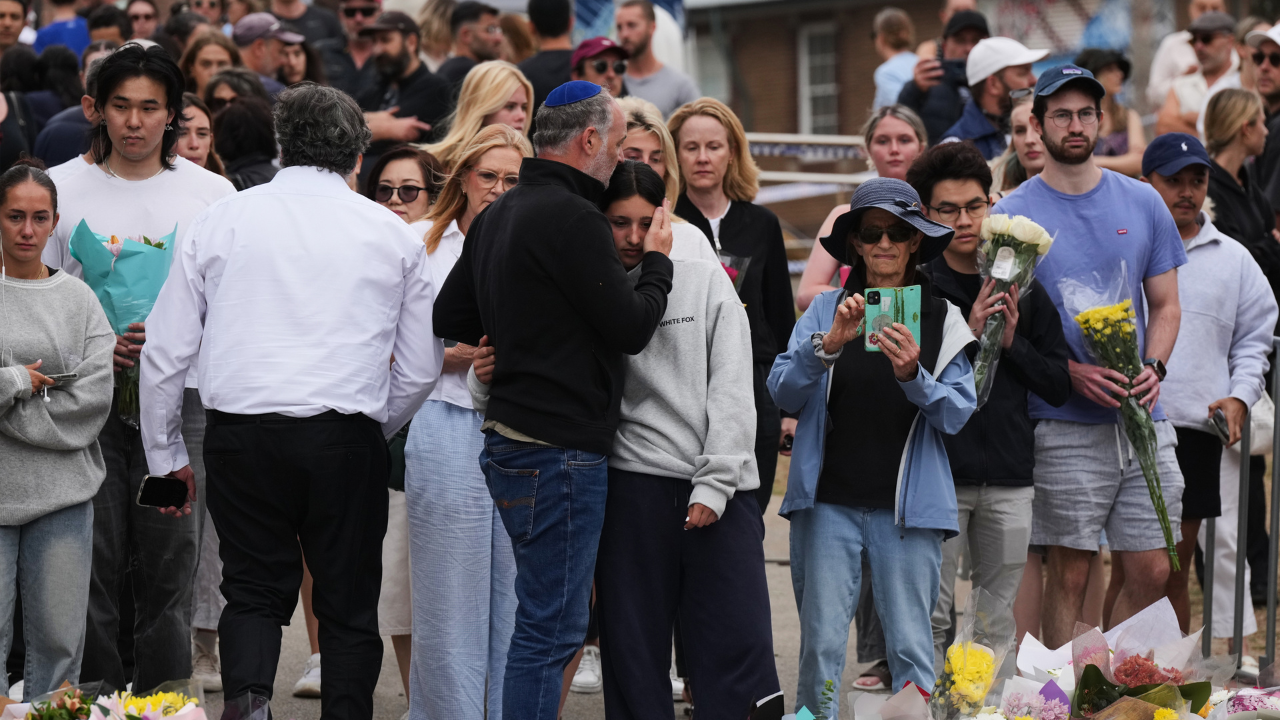
The National Security Council (NSC) has dismissed concerns that the recent stay in the Philippines of the father-and-son gunmen responsible for the mass shooting at Bondi Beach in Sydney, Australia, posed a security threat to the country.
In a statement read by Palace press officer Claire Castro during a media briefing, the NSC said there is currently no indication that the two individuals’ visit to the Philippines had security implications.
“As of Monday, there is no confirmed information indicating that their visit posed a security threat, and this is not considered a serious or immediate concern,” Castro said, quoting the NSC statement.
The NSC added that Philippine security agencies remain vigilant and continue to observe established safety protocols. “Standard security, immigration, and counterterrorism protocols remain fully active, with coordination ongoing with Australian authorities,” Castro said.
The clarification followed reports from Australian media outlets that described the Philippines as a “training ground for terrorism” and a “terror hotspot” after it was confirmed that the suspects had spent several weeks in the country prior to the deadly attack.
Malacañang has not confirmed whether President Ferdinand Marcos Jr. or other high-ranking Philippine officials have directly discussed the matter with their Australian counterparts.
The Palace also did not confirm whether intelligence information has already been shared with Australian authorities as part of the ongoing investigation.
Castro said the NSC is continuing to verify the specific activities of the two suspects during their stay in the Philippines, noting that there is no evidence at this time to suggest they engaged in extremist training or illegal activities while in the country.
According to the Bureau of Immigration (BI), the two suspects were identified as Sajid Akram, 50, and his son Naveed, 24.
BI spokesperson Dana Sandoval said Akram entered the Philippines using an Indian passport, while Naveed entered using an Australian passport.
“Both reported Davao as their final destination. They left the country on Nov. 28, 2025, on a connecting flight from Davao to Manila, with Sydney as their final destination,” Sandoval said.
Immigration records show that the two arrived in the Philippines on Nov. 1 and stayed for nearly four weeks. Authorities said there were no derogatory records or alerts linked to either individual at the time of their entry into the country.
The NSC emphasized that the Philippines maintains close coordination with international partners, particularly Australia, in matters related to terrorism and transnational crimes.
Officials reiterated that the country adheres to international counterterrorism standards and information-sharing mechanisms.
Australian Prime Minister Anthony Albanese said Tuesday that the two men were believed to have been radicalized by “Islamic State ideology,” following investigations into the mass shooting that shocked Australia.
The attack occurred during a Hanukkah celebration on Sunday at Bondi Beach, one of Australia’s most popular tourist destinations. Authorities said the assailants killed 15 people and wounded dozens of others before being neutralized by police.
The shooting prompted heightened security alerts across Australia and raised questions about the suspects’ travel history, including their stay in the Philippines.
Australian authorities have not publicly stated that the suspects’ time in the country contributed to their radicalization.
Philippine officials cautioned against speculation and stressed the importance of relying on verified information. The NSC said it remains committed to cooperating with Australian law enforcement and intelligence agencies to determine the full extent of the suspects’ activities prior to the attack.
The Palace reiterated that there is no evidence linking the Philippines to the planning or execution of the Bondi Beach attack and urged the public to avoid unfounded conclusions that could damage international relations or stigmatize communities.
Security agencies said monitoring and coordination efforts will continue as investigations progress, and any new information relevant to national security will be disclosed through proper channels.
AD
Latest posts
Cebu Hit-and-Run Driver Secures Bail, Remains Under Hospital Arrest

Driver tests negative for alcohol in Banilad hit-and-run that killed young entrepreneur; CCCI calls for road safety reforms

PH Rolls Out Satellite-to-Phone Connectivity With Globe, Starlink

Baricuatro Rejects Claims Linking Her to Enad Suspension
Current show
Upcoming shows